
"heat roasting"
6000 article(s) found
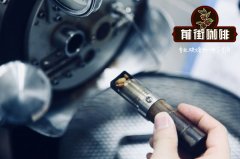
Common coffee beans roaster types and roaster brands introduced from home coffee roasters recommended
Professional coffee knowledge exchange More coffee bean information Please pay attention to coffee workshop (Weixin Official Accounts cafe_style) coffee bean roaster brand_coffee bean roaster price_coffee bean roaster shopping guide In the factors affecting the taste of a cup of coffee, raw beans account for 60%, roasting accounts for 30%, extraction accounts for 10%, good roasting can bring the personality of raw beans to the extreme and minimize defects

Coffee roasting: roasting process, roasting degree and roasting curve
When we pour the coffee beans at room temperature into the drum of the roaster after preheating, the temperature in the drum will be pulled down quickly and sharply, and the heat accumulated inside will be absorbed by the coffee beans and cause water evaporation. One minute to a few minutes later (the reheating time is related to preheating temperature, heating source, drum design, raw bean quantity, etc.), as the bean table loses moisture, coffee

Fuji Royal Ultra-miniature Roaster Fried Taro
A small amount can also be authentic baked! Provide you who love coffee, the fun of coffee baking, the sweet aroma of roasting, and let you know the delicacy of freshly roasted beans. Be sure to taste your own original coffee. Size 300700870 (WDH) weight 45kg Roasting Machine small roaster combines traditional and latest technology. Trusted Brand FUJIROYA
The principle of coffee bean roaster the knowledge that coffee roasters must see
Baking is an esoteric science. To understand the principle of baking, we must first understand the three ways of heat conduction, convection and radiation. Conduction refers to when the heat is transmitted by the heat source, causing the surrounding molecules to vibrate and release heat, gradually moving from the high temperature to the low temperature. The conduction of stainless steel has the phenomenon of uneven heating, which can easily lead to colder and hotter parts of the pot.

The whole process of coffee roasting technology
Coffee roasting (coffee roasting) means that through heating raw beans, starch in raw beans is converted into sugars and acids at high temperature, substances such as cellulose will be carbonized to varying degrees, water and carbon dioxide will be volatilized, proteins will be converted into enzymes and fats, and the remaining substances will be combined to form an oil film on the surface of coffee beans, and in the process coffee acids will be formed.
Coffee knowledge points: coffee roasting talking about roasting process, roasting degree and roasting curve
When we pour the coffee beans at room temperature into the drum of the roaster after preheating, the temperature in the drum will be pulled down quickly and sharply, and the heat accumulated inside will be absorbed by the coffee beans and cause water evaporation. One minute to a few minutes later (the reheating time is related to preheating temperature, heating source, drum design, raw bean quantity, etc.), as the bean table loses moisture, coffee

Coffee bean roasting comparison table of roasting degree of eight kinds of coffee and the difference between moderate roasting and deep roasting
For more information on coffee beans, please follow the coffee workshop (Wechat official account cafe_style) Coffee roasting skills. | the purpose of coffee roasting and the characteristics of coffee beans. The taste of coffee depends largely on the raw beans and a small part of it is changed by roasting. After all, roasting is the only thing we can control. "
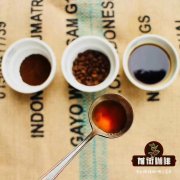
Coffee roasting | what are the common problems encountered during coffee roasting?
Professional coffee knowledge exchange more coffee bean information Please pay attention to the coffee workshop (Wechat official account cafe_style) Coffee roasting process often encountered the following problems: first, the oven preheating temperature is not enough, coffee beans immediately into the oven, making the roasting time longer. Therefore, the baking loss is large and the color of coffee beans is light, which is due to the lack of heat and the lack of sufficient coking of the skin.

Study on the Technical Optimization of Coffee Bean roaster how to improve the uneven Baking of Coffee Bean roaster
Professional coffee knowledge exchange more coffee bean information Please pay attention to the coffee workshop (Wechat official account cafe_style) as the living habits of Chinese people are gradually westernized, people's demand for coffee is increasing day by day, one cup of coffee a day has become a living habit of many people, and coffee has become another drink choice for people in addition to tea. Many people start their day by sipping coffee

Coffee roasting process
Coffee roasting (coffee roasting) refers to the heating of raw beans to convert starch in raw beans into sugars and acids at high temperature, cellulose and other substances will be carbonized to varying degrees, water and carbon dioxide will be volatilized, proteins will be converted into enzymes and fats, and the remaining substances will be combined to form an oil film on the surface of coffee beans, and in the process coffee acids will be formed.

The birth history of coffee roaster-Starbucks concentrated roasted coffee beans
The birth history of coffee roaster-Starbucks concentrated roasting coffee beans 1, the principle of direct-fired inner pot coffee roaster DISCOVERY to introduce the inner pot after punching processing, the bottom of the burner flame can be in direct contact with coffee beans. The direct-fire flavor is attached to the coffee and becomes a fragrant and delicious coffee. The flame and heat of the burner are the main heat sources of baking. 2. Semi-hot air
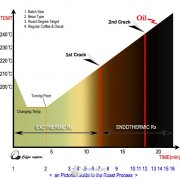
Roasting technology of boutique coffee reactions and changes in the roasting process of coffee
Coffee roasting (coffee roasting) means that through heating raw beans, starch in raw beans is converted into sugars and acids at high temperature, substances such as cellulose will be carbonized to varying degrees, water and carbon dioxide will be volatilized, proteins will be converted into enzymes and fats, and the remaining substances will be combined to form an oil film on the surface of coffee beans, and in the process coffee acids will be formed.

The temperature rise of coffee after roasting-the roasting degree of coffee beans
Coffee roasting temperature range after baking-the higher the moisture content of raw beans, the sweeter the roasting result. The weight loss ratio preferred by Stephen is between 13.5% and 15%, and that of deep roasting is more than 18%. He personally does not prefer baking results with a weightlessness ratio of 15 to 17%, because this degree loses sweetness and begins to lose other advantages, but he has not yet got enough deep baking smell.

Explanation on the baking process and change of small coffee roaster the essential information of small roasting coffee shop
Professional coffee knowledge exchange more coffee bean information please follow the coffee workshop (Wechat official account cafe_style) professional coffee roasting | coffee roasting is too complicated? A picture teaches you the roasting process coffee roasting refers to the process by which raw coffee beans are heated by a roaster to turn raw beans into ripe beans. How well should the coffee be roasted? What's going to change? What beans?
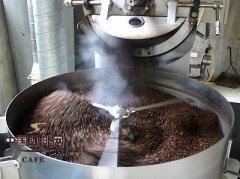
The roasting of coffee
Roasting: this heat treatment causes significant chemical and physical changes in the structure and composition of raw coffee, causing the beans to darken and emit the characteristic aroma of roasted coffee. 1. The purpose of coffee roasting the main purposes of coffee roasting are: a, aroma; B, to increase the complexity of coffee; C, to obtain color; D, to form a unique flavor of coffee. 2. Coffee roasting

Why choose wood as fuel to bake coffee? The roasting process of heated coffee beans coffee
All coffee roasting machines work on the same principle: heat raw coffee beans, produce physical and chemical changes and turn them into roasted beans. Physical change means that the color of raw coffee beans changes from green to brown, and the shape changes accordingly. Chemical changes are much more complex, which is the process of production, balance and transformation of substances with fragrance, acidity and other odor components.

About the roasting of coffee
Roasting: this heat treatment causes significant chemical and physical changes in the structure and composition of raw coffee, causing the beans to darken and emit the characteristic aroma of roasted coffee.

Know the roasting degree of coffee. What is the roasting curve of coffee?
Professional coffee knowledge exchange more coffee bean information please follow the coffee workshop (Wechat official account cafe_style) coffee roasting degree to know, what is the coffee roasting curve? Baking is a process of heating beans. Unbaked raw beans smell only a little grassy and slightly fruity, but taste almost meaningless. Baking triggers beans by heating.

General knowledge of roasting of coffee beans introduction of roasting methods by roasting machines
First, when the preheating temperature of the oven is not enough, the coffee beans are immediately put into the oven, which prolongs the baking time. Therefore, the baking loss is large, and the color of coffee beans is light, which is due to the lack of heat and the lack of full coking of the skin, resulting in a lack of color and rough internal tissue. Second, the temperature of the oven is too high, the surface of coffee forms hard skin prematurely, which suppresses the expansion of internal tissue, and because of its surface.